 Introduction:
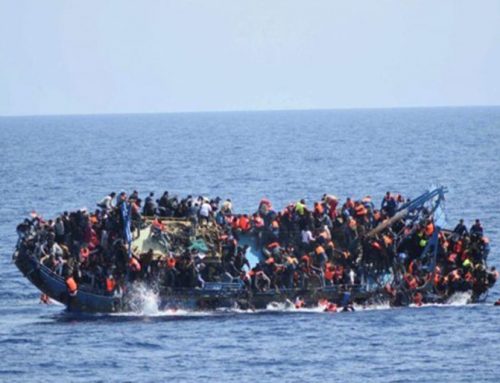
Migration has been a part of human history for centuries. People have always sought better opportunities and a better life. For many Africans, Europe is seen as a place of opportunity, and they are willing to risk their lives to get there. The Sahara Desert, the largest hot desert in the world, is one of the most treacherous obstacles that many Africans must cross in order to reach Europe. The journey is perilous, with countless lives lost each year. In this article, we will explore the reasons why Africans risk their lives to cross the Sahara, the dangers they face, and what can be done to prevent the loss of human life.
Reasons for Migration:
There are many reasons why Africans leave their homes and risk their lives to cross the Sahara. Poverty and lack of economic opportunities are some of the most common reasons. According to the World Bank, Sub-Saharan Africa is the poorest region in the world, with more than 40% of the population living in extreme poverty. Lack of access to basic necessities like food, clean water, and healthcare is a daily reality for millions of people.
Political instability and conflict are also driving factors. Many African countries have experienced long periods of conflict, violence, and civil war, forcing people to flee their homes. In addition, many countries have authoritarian governments that deny basic human rights and freedoms, leading to political unrest and migration.
Dangers of the Journey:
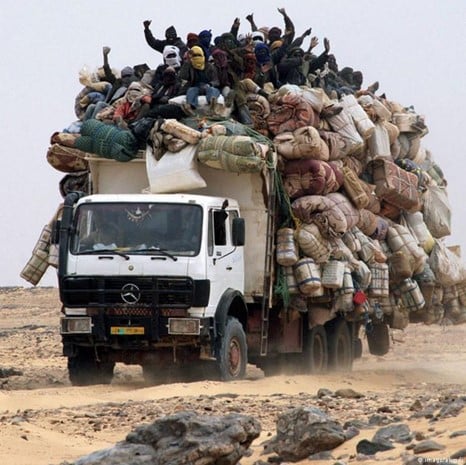
The journey through the Sahara is incredibly dangerous, with many migrants facing the risk of death or injury. Migrants often have to travel long distances across the barren desert with no guarantee of food, water, or shelter. They are at risk of dehydration, heatstroke, and exhaustion, as well as exploitation and abuse by human traffickers who profit from their desperation. Many die from thirst, exhaustion, or exposure to extreme heat or cold.
In addition, migrants are also vulnerable to attacks by armed groups operating in the region. These groups often target migrants, stealing their possessions and sometimes even killing them. Women and children are particularly vulnerable to sexual violence and exploitation.
The situation has worsened in recent years as governments in North Africa have intensified their efforts to stop migration to Europe, leading to increased desert crossings and making the journey even more dangerous. Migrants are often forced to take more dangerous routes, increasing the likelihood of injury or death.
The Role of Human Traffickers:
Human traffickers play a significant role in the migration of Africans through the Sahara. They often promise migrants a safe and quick journey to Europe, but the reality is far different. Traffickers exploit the desperation of migrants, charging exorbitant fees for their services and often forcing them to work in slavery-like conditions once they reach their destination.
Migrants are also subjected to physical and emotional abuse by traffickers, who often threaten them with violence or deportation if they try to escape. Many migrants are also subjected to sexual violence and exploitation by traffickers.
Combating Human Trafficking:
Combating human trafficking is a critical step in preventing the loss of human life during migration through the Sahara. Governments and international organizations must work together to dismantle human trafficking networks and bring traffickers to justice. Efforts should also be made to provide education and awareness campaigns to potential migrants about the dangers of human trafficking.
Providing Safe and Legal Migration Pathways:
The lack of safe and legal pathways for migration is another critical issue that must be addressed. Many African migrants are forced to resort to dangerous and illegal methods of migration due to the lack of legal alternatives. Governments and international organizations must work together to provide safer, legal migration pathways for Africans, including expanding opportunities for legal migration and addressing the root causes of migration.
Migration is a complex issue with no easy solutions. However, the loss of human
life during migration through the Sahara is a humanitarian crisis that demands urgent attention. Governments, international organizations, and individuals must work together to address the root causes of migration, combat human trafficking, and provide safer, legal migration pathways for Africans.
Preventing the loss of human life during migration through the Sahara is not just a matter of humanitarian concern; it is also a moral obligation. As a global community, we must do everything in our power to protect the lives and dignity of all people, regardless of their nationality, race, or socioeconomic status.
To achieve this, governments and international organizations must work together to create a comprehensive approach to migration that addresses the root causes and provides safer, legal migration pathways. This includes investing in economic development and job creation in African countries, promoting political stability and conflict resolution, and expanding opportunities for legal migration.
Furthermore, governments and international organizations must work together to combat human trafficking, dismantle trafficking networks, and bring traffickers to justice. This requires a coordinated effort that involves law enforcement, border control, and international cooperation.
In conclusion, the deadly journey through the Sahara is a humanitarian crisis that demands urgent attention. African migrants are risking their lives to reach Europe, facing the treacherous conditions of the Sahara and the exploitation of human traffickers. Governments and international organizations must work together to address the root causes of migration, provide safer, legal migration pathways, and combat human trafficking. Only then can we hope to prevent the needless loss of human life and ensure that all people have the opportunity to live in safety and dignity.